The Bankability Gap: Why $5.3T in Capital Isn't Closing Datacenter Deals
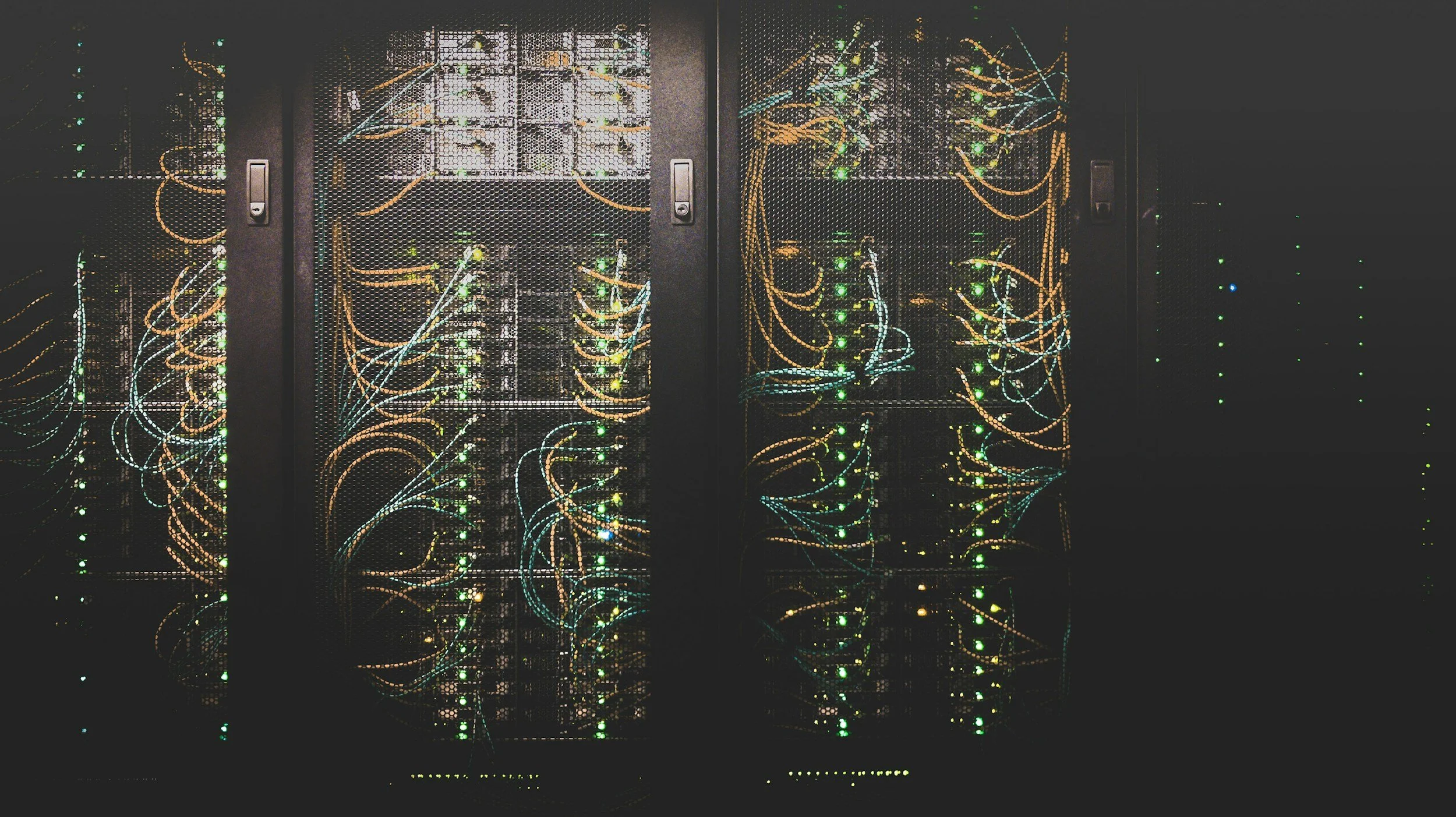
The funding needs to meet AI demand are huge. And capital has largely been made available. Hyperscalers (Microsoft, Amazon, Google, etc.) are planning to spend $5.3 trillion by 2030 on technology and infrastructure. That’s before adding the committed capital from infrastructure funds (roughly $400 billion), and the investments from private equity, private credit, and real estate funds.
But despite the demand and the availability of capital, a large share of the announced datacenter projects isn’t reaching financial close (receiving investment funds) on schedule.
So, where’s the issue coming from? There is a golden rule in infrastructure project finance: a project needs to be bankable for lenders to give funding. Datacenter projects require the same discipline as any other project to become bankable and that is achieved by proper risk allocation. There are 4 main areas we’ve spotted where risk isn’t properly allocated.
1: Interdependence risk: risks related to other infrastructure. Mainly, the grid.
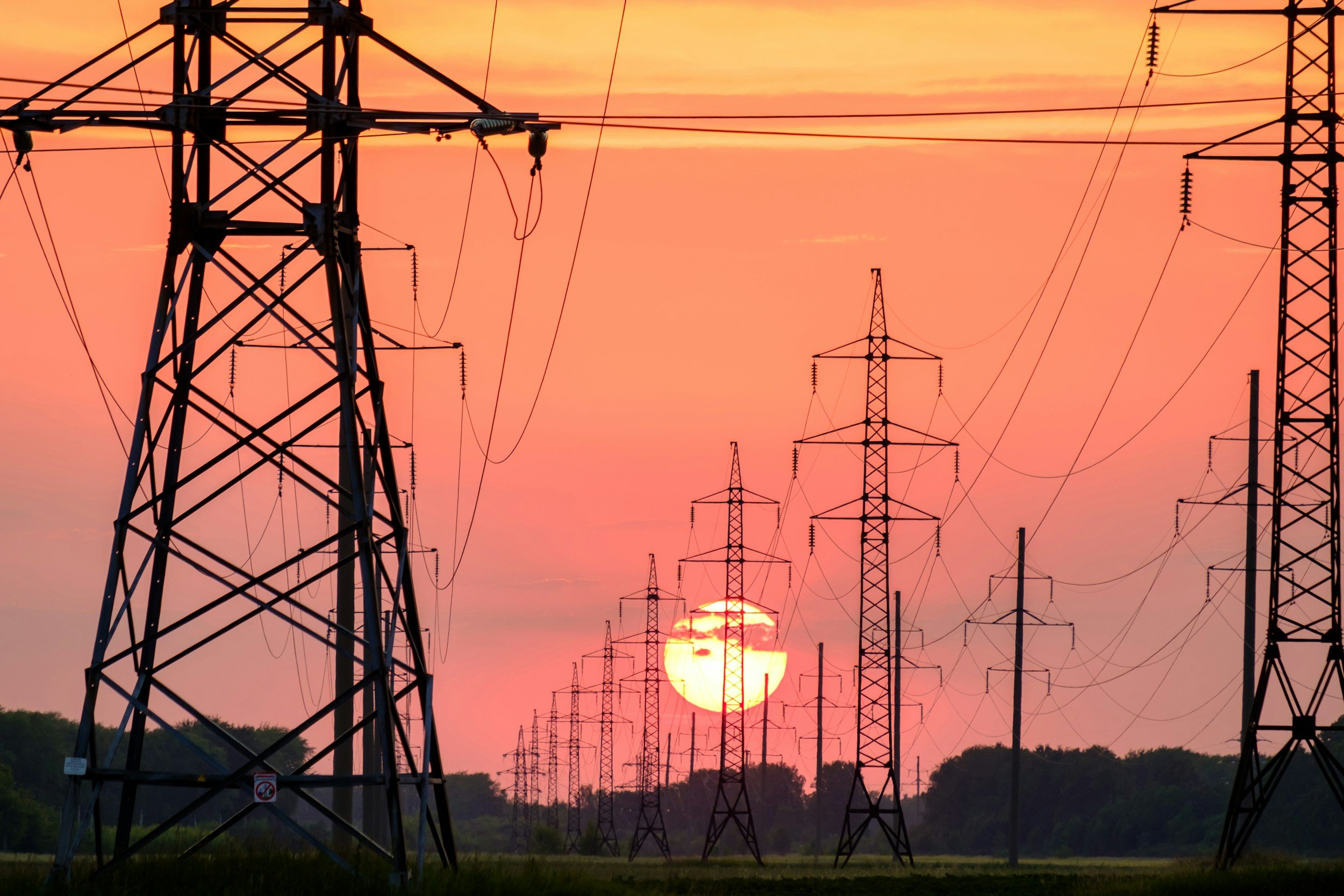
Until 2024, the limiting constraint on datacenter delivery was mostly hardware (a combination of slow production line ramp-up and supply-chain disruptions). Now the issue has shifted to electricity. Grid connection is extremely slow to achieve: As of 2026, the interconnection queue in the US has swollen to roughly 2,600 GW of generation and storage capacity waiting to connect. The statistics are frightening: Interconnection wait times have more than doubled over the past 15 years. Worse yet, only 13% of the capacity submitted for interconnection from 2000-2019 had reached commercial operations by the end of 2024. The rest was mostly withdrawn. PJM, the largest U.S. grid operator, had to pause new applications entirely for several years before reopening its queue in 2026 with a backlog exceeding 300 GW.
This is the kind of interdependence risk that drives up the timing risk of a project and brings down its bankability. And lenders will struggle to provide debt on feasible terms unless it contains very strict and punitive performance clauses, thus driving down profitability.
The solution some sponsors are pursuing is to stop waiting for the grid entirely and co-develop dedicated power generation alongside the datacenter. Nuclear is growing increasingly popular and is often mentioned alongside hyperscalers (X-Energy with Amazon, Kairos Power with Google, Three Mile Island Power Plant with Microsoft).
This practice significantly improves bankability of both projects: on one side, a 20-year corporate PPA with an investment-grade hyperscaler converts a speculative generation project into a bankable one by supplying the revenue certainty lenders need. The certainty of these projects, in turn, practically removes interdependence risk from the datacenter project.
Reason 2: Credit risk of counterparties, especially the offtaker (yes, even Google).
In project finance, the offtaker is often the most scrutinized stakeholder when it comes to assessing creditworthiness. This is a major factor in the lender’s decision on debt sizing: when that offtaker is an investment-grade hyperscaler, lenders will underwrite aggressively, often to 60–80% leverage. This type of leverage is key to datacenter construction economics.
But a “hyperscaler-backed” datacenter deal hides a much wider range of actual credit quality. Two common scenarios highlight this issue:
Scenario 1: Which entity is actually signing the lease? When Google signs a datacenter lease in Ireland or Belgium, it's typically signed by "Google Ireland Ltd.", or “Google Belgium SA”, or a similar local entity, not by Alphabet Inc. That local subsidiary might have very little capital on its own balance sheet. Lenders then ask for "keep-well letter" or a direct “subordination, non-disturbance and attornment agreement” from Alphabet guaranteeing the subsidiary will pay. Some hyperscalers refuse to provide such letters, and the deal must be restructured around weaker mitigants.
Scenario 2: Not every "hyperscale-caliber" tenant is a hyperscaler. A rapidly growing share of AI infrastructure demand is coming from "neoclouds” like CoreWeave and Lambda who lease GPUs to customers. Typically the offtake contracts are similar to those of hyperscalers but these companies are often sub-investment grade and, even if they are financially backed by a hyperscaler, they cannot on their own warrant aggressive underwriting from a lender. Lenders financing against a neocloud offtake now typically demand parent or hyperscaler guarantees.
3. Off-balance-sheet exposure and accounting ambiguity.

In 2025 alone, Alphabet, Amazon, Meta, Microsoft, and Oracle almost doubled their data center lease commitments to a collective $969 billion. That in itself isn't the problem. The problem is that more than 2/3 of that figure sits entirely off their balance sheets. To put that in perspective, that amount is equivalent to 113% of these companies' aggregated adjusted debt.
The mechanism has become commonplace in recent years for this type of deal:
A JV/SPV is set up with a private credit or infrastructure partner
The vehicle raises debt to build the facility
The hyperscaler holds a minority equity stake and commits to a long-term lease
The associated debt sits completely off the hyperscaler’s balance sheet.
This practice casts a cloud over the true credit quality and led to an infamous public disagreement between S&P and Moody’s in early 2026 on the treatment of leases, specifically in the Meta deal with Blue Owl and PIMCO: Moody’s argued the need for non-standard adjustments to compensate for a “material” deterioration in credit profiles as leases begin. S&P disagreed. When two major credit rating agencies disagree in such a way, it leads to longer due diligence processes as lenders must conduct stress-tests using both methodologies. This in turn pushes financial close further away.
4. Political risks not fully priced-in.
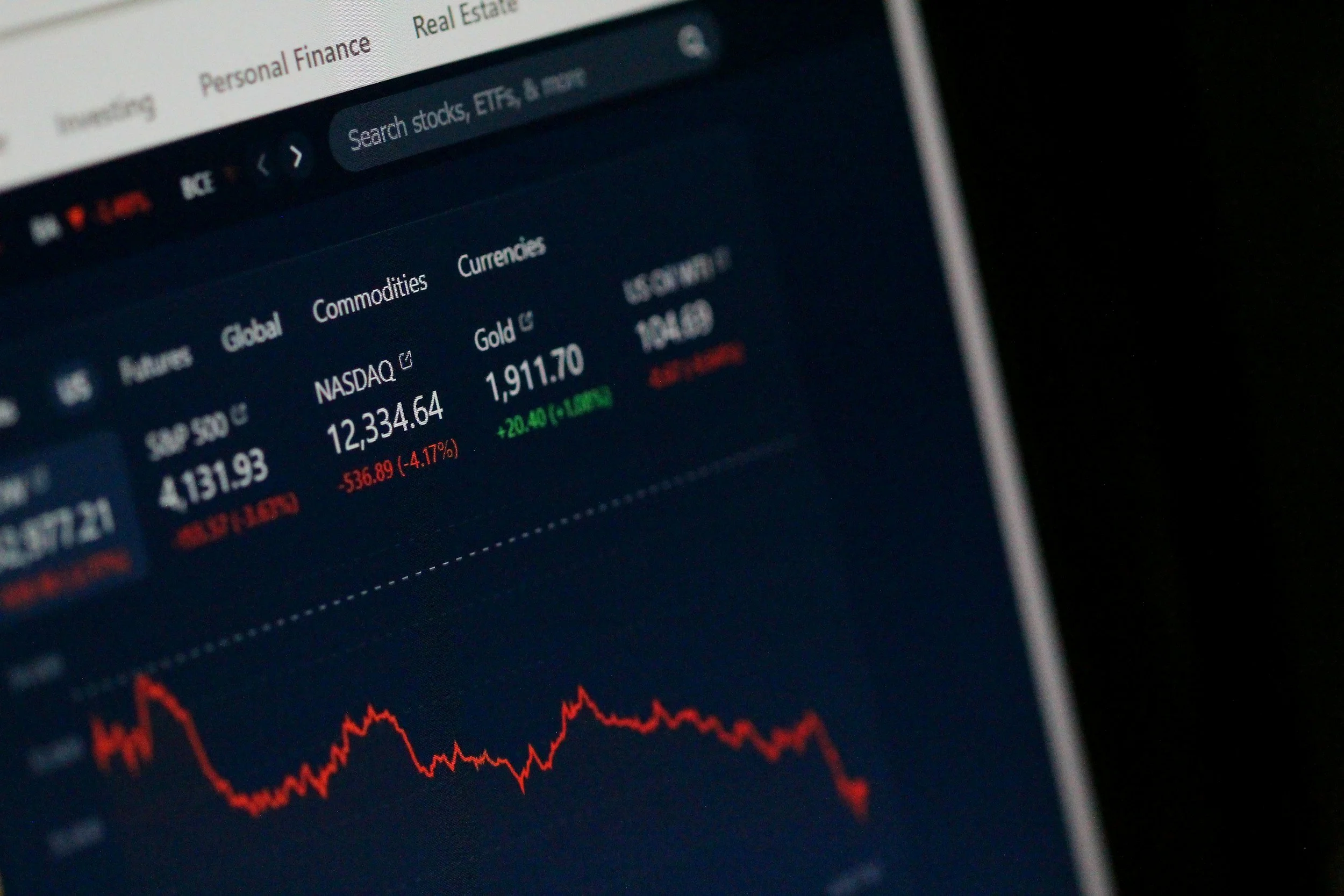
Political risk is always present in infrastructure, but since the last US election this risk has become materially harder to price in. Volatility in interest rates, bond yields, FX, and inflation has increased demand for stricter debt covenants and hedging instruments such as interest rate and currency swaps. This pushes up financing costs and lengthens negotiation timelines.
Indirect risks are even harder to price and require complex mitigants. Such risks include security fears near the Strait of Hormuz and the Red Sea, unclear and short-lived peace deals in the Middle East, and tariff volatility with limited heads-ups.
Even domestic US political risk is affecting this: datacenter zoning permitting has been halted for a year by NY Governor Hochul; similar initiatives were pushed on a city scale like in Denver. Data Center Watch reported that in Q1 2026 alone, at least 75 projects worth roughly $130 billion were delayed or cancelled amid community opposition. For sponsors and lenders, that kind of overnight political shift is not easily priced, leads to longer negotiation timelines, and often cannot be fully mitigated by covenants alone.
The solution already exists though: Export credit agencies and political-risk insurers have decades of experience wrapping delivery and completion risk in emerging-market infrastructure and can be a solution. Blended finance structures for successful emerging-market datacenter buildout can be transferred to other markets, even if mature.
Should we worry?

To be clear, this widening gap, while problematic, isn’t a bust story. Datacenters will be built and the sector is expected to double in capacity by 2030. The fundamentals of the datacenter economy are healthy and the demand is strong: Occupancy across operational data centers sits near 97%, and 77% of the construction pipeline is already pre-committed to tenants. But in infrastructure, profitability isn’t enough. Bankability is. And Bankability is just another word for fair risk allocation.
Hyperscalers will probably need to realign their lease treatments to that of the lenders, and consider co-developing more energy production facilities, all of which could drag their performances downwards. In short they should be the ones worrying if they need to keep the AI momentum going.
******Disclaimers: 1) Nothing in the post should be construed as investment advice. 2) This article represents my personal opinion and not that of any current/past employers. 3) The author does not hold investments in any of the companies mentioned.